
In most states, yes, you need a bill of sale to transfer a vehicle title, though the exact requirements vary by state. The bill of sale documents the purchase price, the buyer and seller details, and the date of the transaction. Without it, your title transfer can stall, or worse, get rejected entirely.
A Missing Bill of Sale Can Stop a Title Transfer Cold
You've bought the vehicle. The seller handed over the title. You head to the county office ready to wrap things up, and then the clerk asks for your bill of sale. You don't have one. Now you're back at square one.
This happens more often than you'd think. Private-party transactions, auction purchases, and out-of-state deals are the most common places where paperwork falls through the cracks. The most frequent reason documents come back for correction in our processing queue is a missing or incomplete Bill of Sale (internal data, rolling last 90 days, n=85). That's not a small issue, it's the single biggest friction point in title transfers we see.
The bill of sale matters for two reasons beyond proving the sale happened. First, it establishes the purchase price, which some states use to calculate excise tax or registration fees. Second, it creates a paper trail protecting both buyer and seller if ownership is ever disputed. If you're registering a high-value vehicle, say a Ferrari or a Rivian, that documentation becomes even more critical.
If you've already run into this situation, you'll want to read I Bought a Car Without a Title, Now What? for a clear breakdown of your options when the paperwork chain is broken.
See if Montana Registration Works for Your Vehicle →What a Bill of Sale Actually Needs to Include
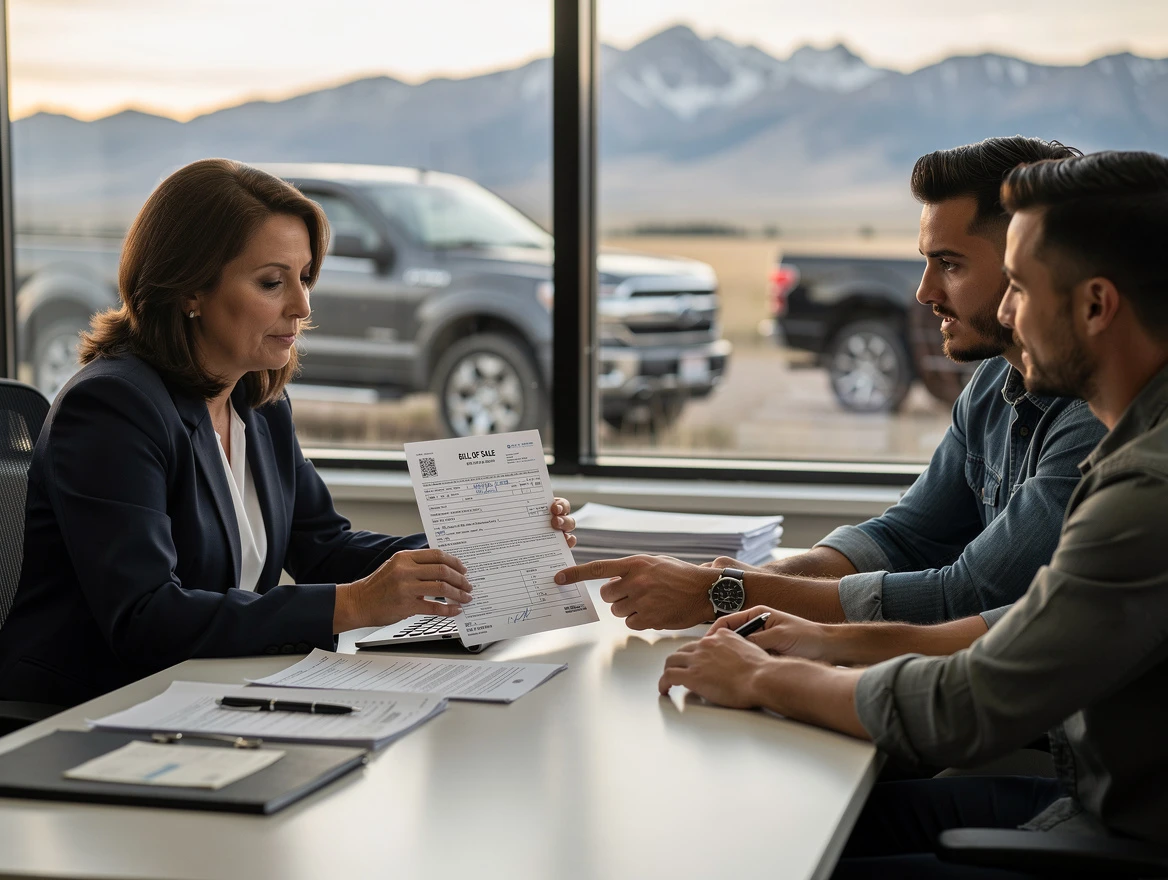
A bill of sale doesn't have to be elaborate. Most states accept a simple document as long as it covers the basics. Here's what belongs in every one:
Ready to register your vehicle?
Join thousands of vehicle owners who use Montana Registration Services to handle their registration quickly.
Find My Montana Package → →| Field | Why It Matters |
|---|---|
| Buyer and seller full legal names | Establishes who transferred ownership |
| Vehicle year, make, model, and VIN | Ties the document to the specific vehicle |
| Sale price | Used to calculate taxes and fees in many states |
| Date of sale | Determines when ownership changed hands |
| Signatures of both parties | Makes the document binding and verifiable |
Some states have official forms, others accept a handwritten document. Montana, for example, works through the Montana Motor Vehicle Division and has specific title transfer requirements depending on the vehicle type and transaction structure.
If you're registering through a Montana LLC, the bill of sale typically shows the LLC as the buyer, not an individual. Getting this detail right from the start saves real time. For a full breakdown of how Montana LLC registration works, see Montana LLC Vehicle Registration: What It Actually Takes to Do It Right.
When the Rules Get Complicated
Private sales are straightforward. Dealer transactions, fleet acquisitions, and out-of-state purchases are where things get tricky.
Dealers in some states bundle the bill of sale into their standard purchase agreement, so buyers don't always realize they have one. Fleet managers handling bulk acquisitions need a bill of sale for every unit, and the LLC or business entity must be listed correctly on each one. One wrong name, and the title comes back.
Out-of-state purchases add another layer. If you're buying a vehicle registered in another state and bringing it into a Montana LLC structure, the bill of sale needs to match what's on the out-of-state title exactly. Any discrepancy gives the processing office a reason to reject the transfer. Maryland buyers, for instance, deal with a vehicle excise tax that's directly tied to the documented sale price, which you can read more about in Maryland's Vehicle Excise Tax Is Real, Here's What Buyers Are Doing About It.
Auction purchases deserve a special mention. Many auction houses issue their own bill of sale forms, and not all of them include every field a state requires. Always verify before you leave the lot.
For dealers and fleets processing volume, our Montana LLC Dealer Program is built around getting this paperwork right at scale, with bulk-processing agreements and a 99%+ title submission success rate. If you're also thinking about the LLC formation side, Montana LLC Formation: Costs, Steps & Requirements from our sister brand DMVez covers that process in detail.
"We had two titles rejected in a row before MRS caught the auction bill of sale issue. They spotted it before submission and we didn't lose a single business day.", Fleet operator, Pacific Northwest
The Straightforward Path Forward
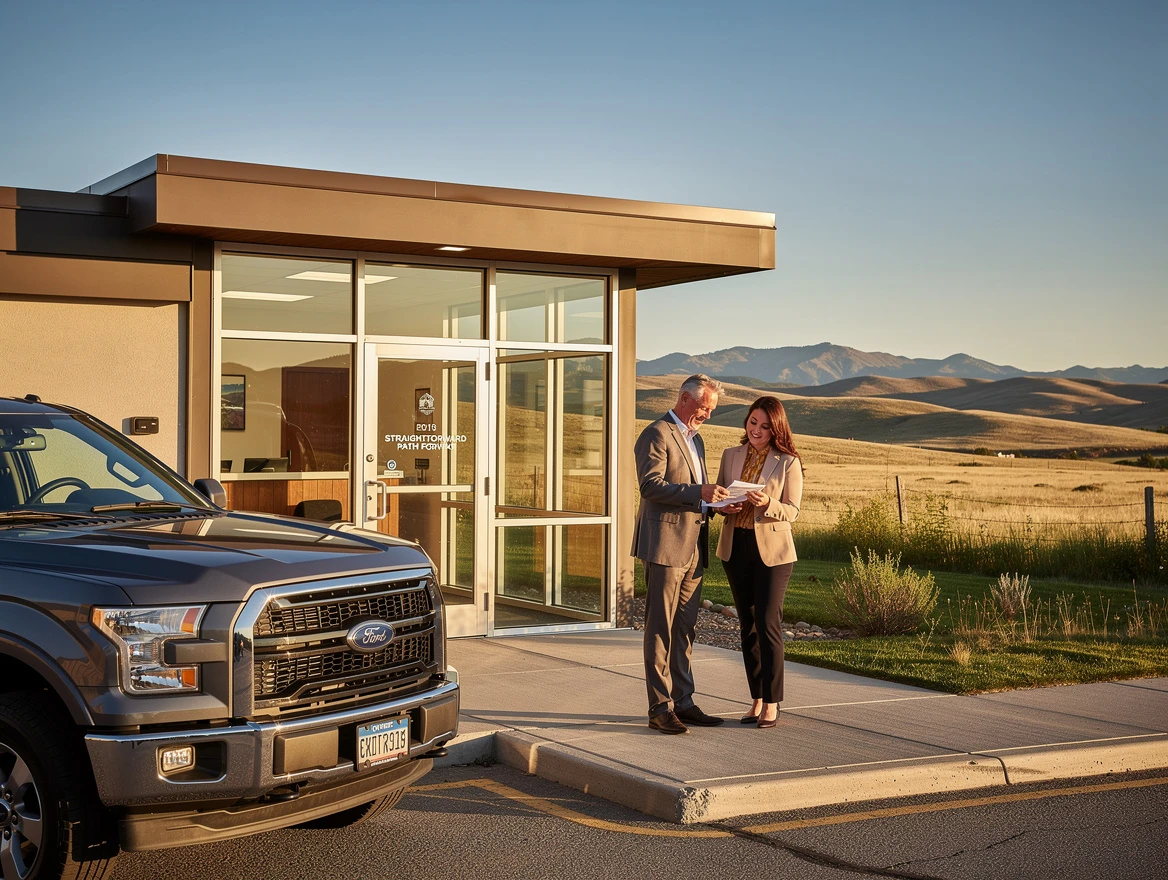
Honestly, most bill of sale problems are avoidable. Get the document signed at the time of sale, not after. Make sure the VIN matches the title exactly. If the buyer is an LLC, use the LLC's legal name. And keep a copy, because you may need it again at renewal or if ownership is ever questioned.
Montana's registration structure is popular precisely because it's built for clean, documented transactions. Vehicles registered through a Montana LLC must have clear title documentation from the start, which protects both the owner and the registration record long-term. If you're looking at the cost side of the equation, The Cheapest Montana Vehicle Registration Option Most People Miss breaks down where the real savings are.
Montana Registration Services has processed titles for over a thousand vehicles, and the ones that move through the fastest share one thing in common: complete, accurate paperwork from the first submission. That starts with a solid bill of sale.
FAQ: Bill of Sale and Title Transfers
Do you always need a bill of sale to transfer a title?
In most states, yes. Some states require it only for private-party sales, while others require it for all transactions. Check your state's motor vehicle division requirements, or work with a registration specialist who knows the rules for your specific situation.
Can I create my own bill of sale, or does it need to be an official form?
Most states accept a written bill of sale as long as it includes the required fields: buyer and seller names, vehicle details including the VIN, sale price, date, and signatures. Some states have preferred forms, but a properly written document typically works.
What happens if I don't have a bill of sale for a vehicle I already bought?
You may be able to get the seller to sign a new one after the fact. Some states also accept an affidavit of purchase price in place of a bill of sale. If the seller is unreachable, you may need to pursue a bonded title. Read more at I Bought a Car Without a Title, Now What?
Does a Montana LLC registration require a bill of sale?
Yes. The bill of sale for a Montana LLC purchase should list the LLC as the buyer, not an individual. Getting this right at the time of purchase avoids resubmission delays. Montana's Motor Vehicle Division requirements are available at mvdmt.gov.
Does the sale price on the bill of sale affect my registration fees?
In many states, yes. States that charge excise tax or an ad valorem fee on vehicle purchases calculate those amounts based on the documented sale price. Understating the price creates compliance risk, particularly for high-value vehicles.
Find Your Montana Registration Package →